Tay Guan Hin: A Conversation Creative Leaders Need to Have
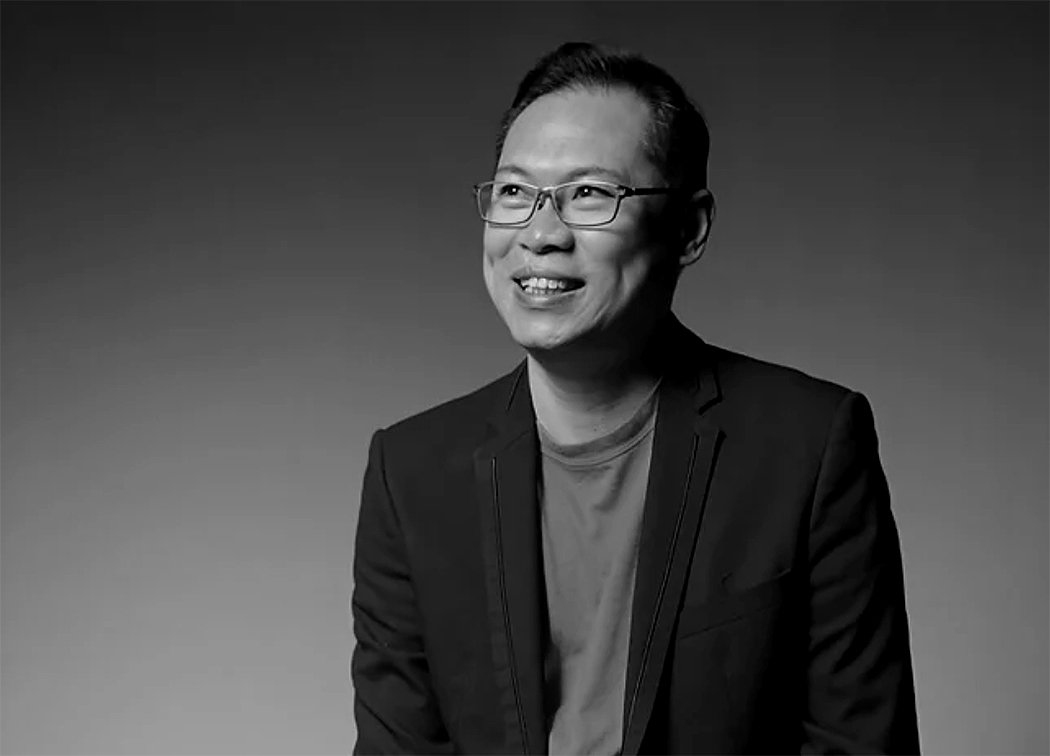
The advertising industry is undergoing seismic change, and the uncertainty it has unleashed is impossible to ignore. Over the past year, Tay Guan Hin – one of Asia’s most influential creative leaders – has watched as long-held assumptions about careers, creativity and survival are rapidly breaking down. Increasingly, creative people have turned to him in conversations with the same pressing question: what now? Here, Guan Hin shares his perspective and offers advice for navigating the industry’s future.
If you have felt unsettled over the past few years, you are not imagining it.
I have spoken to creative leaders in holding companies, independent agencies, and freelancers across several markets. Different titles. Different stages of life. Yet the same questions keep coming up.
“What is really happening to our industry?”
“Why are so many good people being let go?”
“And how do I make sure I am still relevant five years from now?”
Here is the hard truth.
What we are going through is not a bad patch. It is a structural change.
And once you see it that way, the conversation shifts from fear to preparation.
First, let us clear something up.
Layoffs are happening everywhere. Sometimes it is blamed on AI. Sometimes, on cost-cutting. Sometimes, on restructuring. Sometimes quietly with age.
But in most cases, it is not because you suddenly became bad at your job.
The system changed.
Organisations are being redesigned for speed, scale, and efficiency. Roles are being compressed. Layers are being removed. Long-held assumptions about seniority, tenure, and loyalty are being questioned.
That does not mean creativity is less important.
It means the way creativity is recognized and packaged has changed.
And when structures change, individuals have to evolve faster than the structures do.
That is the real challenge.
The shift I am seeing everywhere
In the past, your agency’s reputation carried you.
Today, your name needs to carry itself.
This is not about ego. It is about reality.
Clients no longer buy agencies in the same way. They buy confidence. Judgment. Trust. People.
Teams no longer follow titles. They follow understanding and certainty.
Which brings us to something many creatives still feel awkward talking about. Personal brand.
Not the loud kind. Not the influencer kind. The useful kind.
Personal brand today simply means this.
If someone mentions your name in a room you are not in, do people know what you stand for?
If your company disappeared tomorrow, would your relevance disappear with it?
These are not vanity questions. They are survival questions.
So how do we prepare ourselves for what is coming?
I want to share three things I believe matter deeply right now.
1. Build your personal brand before you need it
Most people only start thinking about their personal brand when something goes wrong. By then, they are already reacting.
Your personal brand is not a website or a logo. It is a pattern.
A pattern of how you think.
A pattern of what you believe about creativity, leadership, and change.
A pattern of how you help others make sense of complexity.
Write. Speak. Teach. Mentor. Share unfinished thoughts. Ask better questions.
Do it quietly if you like. But do it consistently.
Because when the ground shifts, people do not look for the loudest voice. They look for the most trusted one.
2. Stop defining yourself by your title
Titles are fragile. They disappear overnight.
What lasts longer is how you frame your value.
Instead of saying what you are, start articulating what you do.
Do you help brands navigate uncertainty through story?
Do you build creative cultures inside large organisations?
Do you translate technology into human relevance?
This shift matters because AI will get better at execution.
What it will not replace easily is judgment, taste, context, and social intelligence.
Your real value is not in making things.
It is in knowing what should be made and why.
Once you understand that, your confidence changes. And so does how others see you.
3. Design a career that is flexible, not fragile
The idea of one job, one company, one path is quietly fading.
Many of the most grounded creative leaders I know today are doing a few things well, not one thing desperately.
They might advise. Teach. Do project work. Write. Sit on juries. Speak. Mentor.
This is not about hustling. It is regarding resilience.
When your income, identity, and purpose all sit in one role, any disruption feels catastrophic. When they are distributed, change becomes manageable.
You stop waiting to be chosen.
You start choosing where you want to contribute.
And that is a very different way to live and work.
A final thought
2026 is not the end of creativity. It is a reset of where creativity lives.
Fewer in departments. More people.
Less in hierarchy. More in networks.
Less in permanence. More in agility.
If you feel uncomfortable, that is normal. Discomfort is often a signal that something new is being formed.
This is not about surviving the next restructure.
It is about designing a career that can outlast many of them.
And that, I believe, is a far more creative challenge.
Guan Hin is APAC Regional Director for awards, programs, and partnerships at The One Club and founder of TGH Collective, a successful independent creative boutique agency. His experience includes serving in regional and global agencies such as BBDO, Wunderman Thompson, Grey, Leo Burnett and Saatchi & Saatchi for blue chip clients like Visa, Unilever, Audi, HSBC, Nestle, Shell, Abbott Nutrition and Johnson & Johnson. He has also authored the best-selling Penguin book “COLLIDE”, presented at TEDx conferences, served as President of Asia Professional Speakers.