Kevin Swanepoel, CEO, The One Club for Creativity: Creativity Needs a Fairer Playing Field
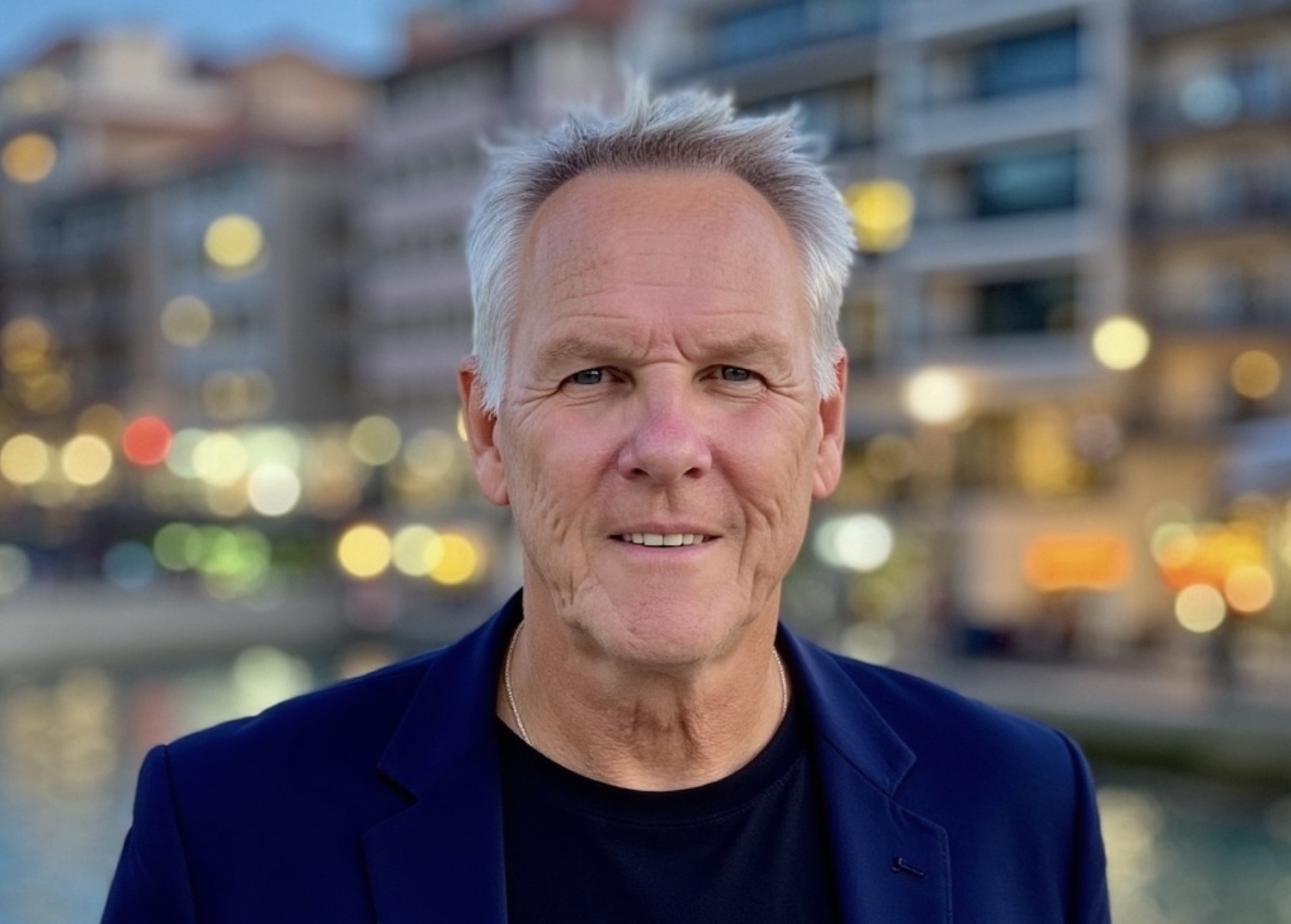
Kevin Swanepoel, CEO, The One Club for Creativity says independent agencies are producing some of the most original work in the world, yet they continue to face structural disadvantages. Meanwhile, he says, creatives in countries with weakened or unstable currencies often find that gaining recognition for their great work by simply entering it into international shows is financially out of reach.
Across the global creative industry, there is an uncomfortable truth: talent is universal, but opportunity is not.
Independent agencies are producing some of the most original work in the world, yet they continue to face structural disadvantages. Meanwhile, creatives in countries with weakened or unstable currencies often find that gaining recognition for their great work by simply entering it into international shows is financially out of reach.
This is not a new observation. What *is* new, and necessary, is a willingness to rethink the systems themselves.
As a nonprofit organization whose mission is to support the global creative community, The One Club is making an effort to change things, with two recent developments that reflect a growing acknowledgment that global creativity needs better scaffolding: the recent launch of The One Show Indies, and the expansion of The One Show Currency Value Adjustments (CVA) program for countries with disadvantaged exchange rates.
Independent Agencies Need Structures Built With Them in Mind
Talk to anyone working in an indie shop and you’ll hear a familiar mix of exhilaration and exhaustion. Independence brings agility, cultural fluency, and a certain creative audacity. But it also comes with tighter margins, smaller teams, and fewer resources to navigate the demands of global competition.
For years, independent agencies have been evaluated in the same awards arenas as multinational networks who have far greater staffing, production support, and entry budgets. The result is sometimes less about competitive merit and more about unequal conditions.
A dedicated competition for independent agencies simply acknowledges that different structures require different measures. When you remove the dynamics that give large networks an inherent advantage, you create space for work to be judged on what should matter most: the quality of the idea, and excellence of the execution.
The new One Show Indies is one example of this shift. It offers a framework designed specifically for indie shops, with judges exclusively from indie agencies who understand their realities, limitations, and creative ingenuity.
But the principle extends well beyond any single competition: independent agencies deserve systems built to recognize the distinct value they bring.
Currency Shouldn’t Determine Who Gets to Participate
In some parts of the world, entry fees for global awards are cost prohibitive. For agencies based in economies where currencies have devalued, the conversion rate can put an already significant entry fee out of reach.
Currency Value Adjustment programs help correct this imbalance by determining fees based on local economic realities. They acknowledge that brilliant creative happens everywhere, but economic infrastructure doesn’t.
This isn’t about discounts; it’s about parity. A designer in Nairobi, a filmmaker in Buenos Aires, or a creative team in Dhaka shouldn’t have fewer opportunities to be recognized for their creative excellence simply because their local currencies are weak against the dollar.
When work from more countries is recognized on the global stage, the industry benefits from exposure to a wider range of ideas rooted in different cultures, lived experiences, and creative traditions. It’s fairer, and also good for the work, the agency, the brand, and the industry.
A Broader Recalibration
The goal is to highlight emerging models that level the playing field of creative opportunity. If the industry wants to champion true creativity, it should ensure that independent voices and economically disadvantaged regions can meaningfully participate and be rightfully recognized.
No single initiative will fix the problem. But I do believe these shifts represent a healthier direction for the industry, and one where global participation is measured not by economic power but by creative excellence.
If we want the work to get better, more culturally nuanced, more inventive, and more representative of the world we live in, then we need to recognize a broader range of creative thinking.
Talent is everywhere. Access should be, too.