Why “Brand New Nepal” is the most important rebranding project – By Ujaya Shakya
By Ujaya Shakya, Founder of Outreach Nepal and the author of Brandsutra and Brandsutra 2.0.
If you ask a marketing executive in Singapore or a creative director in South Korea what they associate with Nepal, the answer is almost always a variation of the same theme: Mount Everest, the Himalayas, trekking and perhaps a sense of ancient spiritual calm. These images are powerful and they have formed our national identity for decades.
But as someone who has spent my life studying the “soul” of brands, I can tell you that these images represent only an element of truth today. We are currently witnessing a rare historical intersection where political change, generational aspiration and economic transition are converging to create something entirely different. We are moving beyond the postcards to build what I call “Brand New Nepal”.This is not just a marketing exercise or a new slogan for a tourism board. It is a fundamental attempt to align our governance, economic ambition and international positioning around a single strategic story.
In an era of global competition for talent and investment, countries must operate like “brands”. We have seen Singapore brand itself as a hub of efficiency and South Korea reposition itself from a manufacturing base to a global cultural powerhouse now. Nepal now faces a similar moment of narrative reinvention. For years, our international perception was defined by natural beauty and resilience in the face of crisis but these stories have often overshadowed our potential as a young evolving society.
The most exciting driver of this new narrative is a massive demographic shift. Almost two third of Nepal’s population is under the age of 35. This generation grew up in a connected world, shaped by digital technology and global culture. They are no longer content with a nation that only offers them “possibility” elsewhere. They are bringing their ambitions home.
This shift is reflected in the very heart of our decision making where the median age of Parliament has dropped to below 37 in the recent election. This is not just a statistic. It represents a psychological break from the past. You can see this energy in the rise of leaders like Mr. Balen Shah. At 35, he is a well known rapper and a structural engineer who is currently rewriting the rules of political engagement in South Asia. His success is not just about popularity. It is about a professional, results oriented approach to urban governance that resonates with a generation tired of ideological posturing. This younger leadership culture, rooted in engineering and entrepreneurship, is altering the tone of our national conversation away from old school politics and toward delivery and systems.
This is the face of the “New Nepal”: A generation determined to build something tangible in the shadow of the mountains. “Brand New Nepal” framework proposes a move from being a “single dimension” tourism destination to becoming a multi experience nation. While Everest will always be an iconic symbol, our future narrative must encompass far more. We are repositioning ourselves through various stories: “Young Nepal” full of entrepreneurial energy, “Sacred Himalaya” that offers deep spiritual heritage and “Creative Nepal” where music, art, culture and storytelling are thriving. This is about shifting the focus from the mountains to the people who live and create in their presence.
At the core of this transition is a philosophy I call “Nepal First”. This is not intended as nationalist expression but as a shift in our psychological orientation. For decades, Nepal’s story was framed through the lens of international aid and remittances. While these elements stabilized us, they also created a perception of dependency. “Nepal First” signals a move toward self-definition. It prioritizes economic growth through home grown innovation and frames our mountains and water ecosystems as strategic national assets rather than passive scenery. It is, in the simplest branding terms, a call for national confidence.
Economically, this means moving from a remittance driven economy to a productive domestic ecosystem. We are identifying sectors like hydropower, green energy and digital services as the pathways to our future. With our vast water resources, Nepal has the potential to become a clean energy supplier for the entire South Asian region. Meanwhile, our young population is already comfortable with global digital platforms creating a growing IT sector that can serve the world from the Kathmandu Valley.
We are also reimagining our relationship with our global diaspora. Millions of Nepalis live and work abroad and historically, this relationship was defined only by the money they sent home. The Brand New Nepal strategy reframes them as investors, mentors and ambassadors. Just as India and Israel have used their diaspora networks to catalyze economic transformation, Nepal is now ready to activate this global talent pool to build our domestic industries.
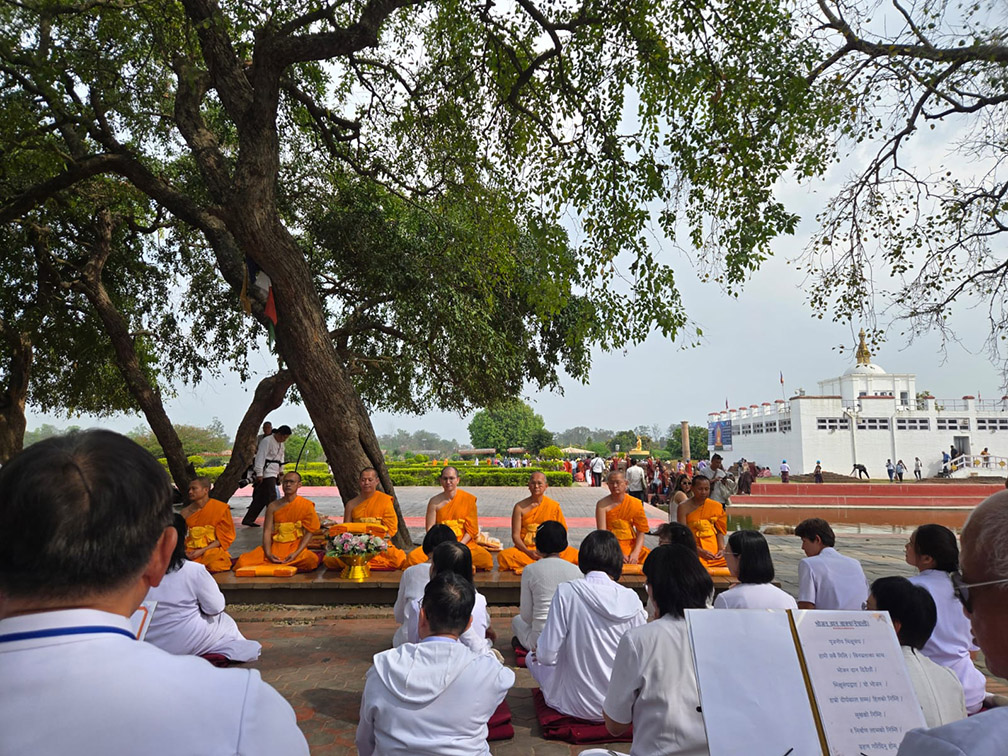
Even our tourism sector, which remains our most visible export, is evolving. We should move from a high volume model toward a high value one. Rather than focusing solely on adventure travel, we should position Nepal as a premier destination for wellness, ecotourism and deep cultural experiences. Whether it is the pilgrimage routes to Lumbini, the birthplace of the Buddha (I am currently writing this piece from Lumbini) or the unique architectural heritage of Kathmandu, Nepal offers experiences that cannot be found anywhere else in Asia.
Ultimately, a nation’s reputation influences its economic opportunities. Investors gravitate toward markets that project stability and ambition and talent stays where there is a clear signal of possibility.
“Brand New Nepal” is our way of telling the world that we are ready for the next phase of our development. The Himalayas will always be our signature but the future of Nepal will be defined by the generation rising in their shadow. It is a generation that is not just waiting for change. It is branding it, building it and living it.
This is “Brand New Nepal”
Photo caption: Shakya at Lumbini, where he wrote this piece.