
116 Pictures’ Lyly Vu on global standards, local rhythm, and the craft of producing in Vietnam
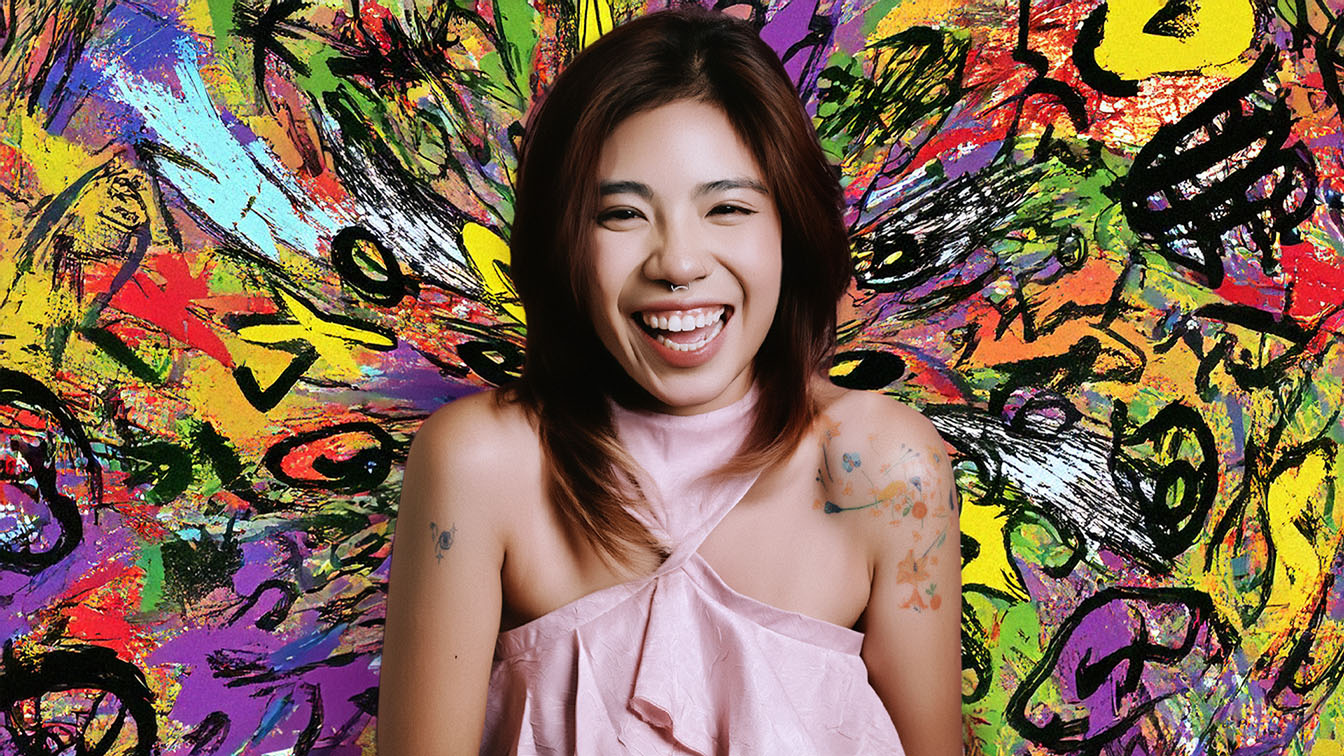
The m25 Global Producers Series opens with Lyly Vu, Producer at 116 Pictures in Ho Chi Minh City. In this conversation, she reflects on the discipline, resilience, and emotional intelligence required to produce at a global standard in Vietnam – a market defined by speed, adaptability, and creative instinct. From navigating international expectations to leading with quiet steadiness on set, Lyly shares her perspective on the invisible craft behind commercial production and why, even as technology evolves, human judgment and collaboration remain at the heart of the work.
The core requirements of the producer’s role are universal: sound judgement, problemsolving, and steady leadership. That said the role shifts across the region, adapting to local ways of working and the different pressures of each market.
This series highlights producers who keep projects moving and teams connected, while showing newcomers that, even as technology changes, it is human collaboration and experience that remain central to producing the work.
Vietnam has a very special history, one marked by resilience, creativity, and reinvention that has led to the strength and growth the industry is experiencing today. Looking back at your own childhood, were there experiences or influences that connected you to this spirit and ultimately shaped your path into producing? How do those early influences, combined with Vietnam’s unique history, continue to shape the way you lead productions now whether in managing people, solving problems, or protecting creative vision?
I grew up between two cultural forces, and that shaped how I see the world. At home, I lived with a Northern Vietnamese mindset: discipline, restraint, quiet responsibility. Outside, where I was born and raised in Southern Vietnam, life felt looser. Rules existed, but they were interpreted through feeling rather than force. Living between those two realities taught me how to hold tension without breaking. Control without empathy creates fear; freedom without structure creates chaos. Vietnam’s history taught us practical resilience, the kind where you make things stand with limited resources and no guarantees.
Today, I don’t lead with pressure. I lead with steadiness. I read people’s temperature. I solve problems quietly. I protect creative vision by making sure the team feels confident enough to take risks. Those early influences are still in me. I don’t fight the chaos, I swim it.
Can you walk us through a typical shoot day in Vietnam? What does it look like from call time to wrap, and how does the way productions are run here reflect the sophistication of the industry? For those who may not know Vietnam’s production scene, what aspects, whether it’s the professionalism of crews, the technology being used, or the efficiency of logistics best demonstrate how advanced and competitive the market has become compared to global standards?
Vietnamese coffee is world famous, & fuels all our crews. It feels calm, but it’s not relaxed. It’s focused. Vietnam is a two wheel country, & loves motorcycles, so I often describe sets here like riding. Warm the engine, feel the balance, settle the weight then once we move, we don’t really slow down and honestly, we don’t really know where the “slow” button is.
What makes Vietnam competitive globally is our flexibility. If something doesn’t exist, we build it. If a system doesn’t fit, we bend it. We don’t stop for problems, we move through them.
The technology is strong now, but the real advantage is the mindset. There isn’t much downtime. Lunch is usually just a pause to remember we’re human.
How different is it to manage a global production compared to a local one in Vietnam? What unique challenges arise when international expectations meet the realities of local logistics, culture, and ways of working?
My first experience with a globally structured production came early in my career, and I still measure myself against it. It was an automotive commercial with regional exposure, built to international standards. We had two shoot days to create something that normally requires much more time moving vehicles, multiple landscapes, and still photography running alongside the film. The difference became clear immediately.
The real challenge wasn’t technical; it was human. We were balancing expectation and reality at the same time. The visual language wasn’t fully settled. The conditions were alive, the light was shifting, the weather turning, locations evolving faster than the plan.
This is where Vietnam shows itself. The amazing landscape locations change within hours. The sky moves. The mood of a place can shift before you finish a sentence. You don’t “control” a shoot here; you listen and adapt. One problem dissolved while another solution was already being prepared.It was exhausting. It was fragile. And somehow, it held. At the end someone said, “That felt longer than two days.” It was true not in time, but in intensity.
The director of that project, Fabio, has since passed away. Rejoined the stardust of the universe. I still think of him when I’m under pressure.
That job taught me this: global standards don’t live in presentations. They live in the moments where structure meets reality and neither side is allowed to break. That was years ago now, but these lessons are always with me.
You’re often the quiet architect behind the scenes. What’s one misconception about producers that you wish the industry would let go of? And what’s one thing you do on set that no one sees but makes all the difference?
The biggest misconception about producers is that we’re just budget controllers or problem announcers. That usually comes from people who don’t work closely with us and I don’t mind it, a little mystery is a healthy thing.
We’re not the face of the work. We’re the ones placing the invisible weights that keep everything balanced. I think of the role like a quiet magician. We move things before people feel them shift. We adjust timing, energy, and people gently, strategically. Most of the important work never shows up on a call sheet. It lives in anticipation, in reading the room, in preventing problems before they exist. It’s like chess, quiet chess and sometimes even a polite checkmate.
The one thing I do on set that makes the biggest difference? I prefer to keep that private. That’s part of the craft.
Every shoot is a balancing act between vision and budget, ego and outcome. What’s the toughest call you’ve had to make, and what did it teach you?
The hardest decisions on a production aren’t technical, they’re emotional. There are moments when you have to kill something beautiful because it doesn’t serve the message, and moments when you have to back something risky even though your stomach flips. Producers love artistry, but commercial work isn’t always built to satisfy our poetic impulses. At the end of the day, clarity wins.
What people don’t see is the pressure behind those decisions, I still get anxious before each shoot, deeply anxious. If a project no longer gives me that adrenaline, that tightness in the chest, then I know I’m not in the right place anymore. The tension is part of why I stay it reminds me I care. Every night before a big shoot, my EP, Gordon, checks in on me. I’ll tell him I’m spiraling, and he’ll remind me “You’re exactly where you’re supposed to be. To find the hidden traps, you have to stay loose. Don’t tense up. Let the dance come to you. Try to sleep though I know you won’t. I still don’t either. That’s because we care about our work. Makes us very lucky people.”
That reminder that caring is not a weakness but a compass that guides my toughest calls. Grace under pressure is a skill. But caring under pressure is a privilege.
Vietnam has its own rhythm, its own light, energy, and creative pulse. What’s something global brands often overlook about producing here?
Global brands come expecting efficiency, great landscapes, strong crews, and cost advantages. All true. What they don’t expect is how emotional the process is here. We work with global standards and protocols, but culturally our sets don’t feel cold or transactional. Hierarchy exists, but everyone still matters, respect moves sideways, not just vertically.
Vietnam isn’t only visually dynamic, it’s socially dynamic. The light shifts. The cities breathe. The crews operate like a single body. The country has rhythm, real rhythm and foreign productions sometimes try to control it. Vietnam doesn’t reward control. It rewards responsiveness, humility, and instinct. We move with precision but we move from the gut. When you open yourself to how we work, you don’t just get a production service, you get a creative lasting partnership.