Ujaya Shakya: What SHIAF 2026 taught me about AI with human empathy
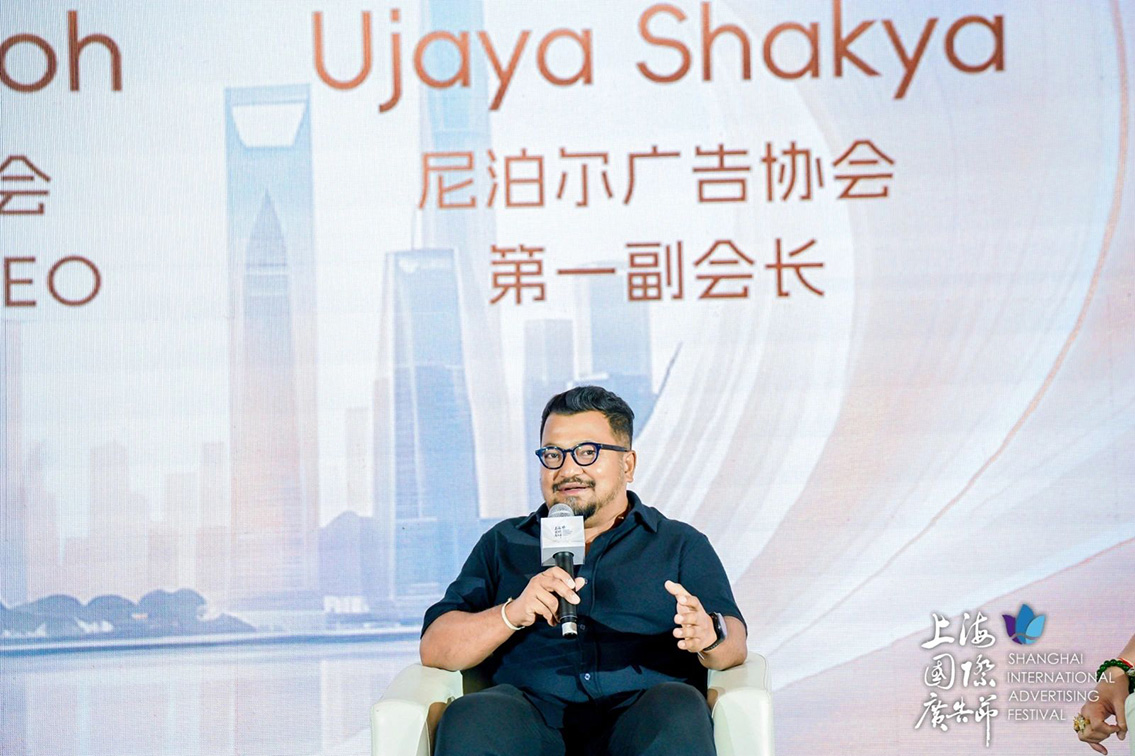
By Ujaya Shakya, the First Vice President of Advertising Association of Nepal (AAN), Founder of Outreach and author of Brandsutra 2.0.
As someone representing Nepal on an international stage, I felt it was important to acknowledge the pain back home before speaking about AI with Human Empathy. We observed a moment of silence for those who lost their lives, those still missing and every family affected by the devastating flash floods in Rasuwa and surrounding areas of Nepal. Nepal needs your prayers and support. We also need an urgent sustained conversation about climate change and the protection of mountain communities. I appeal to Asia’s brand, marketing, advertising and creative community to help bring greater attention, ideas and collective action to this urgent global challenge. That moment gave the theme of human empathy an even deeper meaning for me:
Behind every data point is a person, behind every market is a community and behind every technological possibility is a human impact.
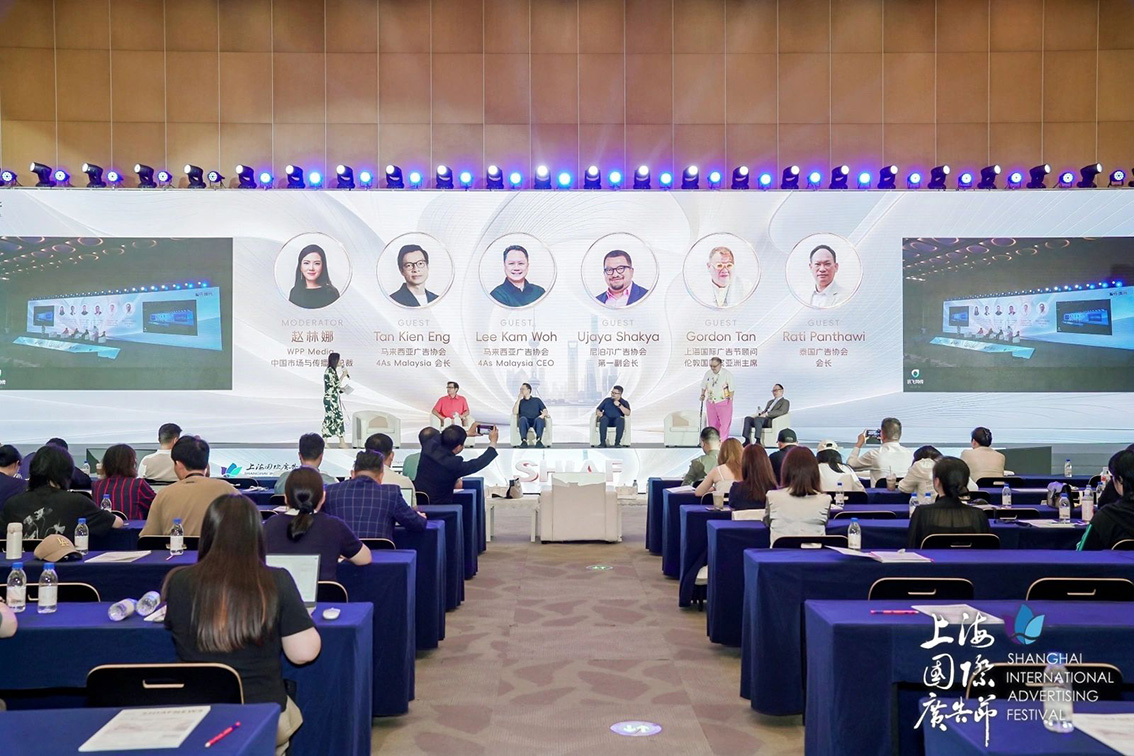
Speaking at the Shanghai International Advertising Festival 2026 was a meaningful opportunity. I share an Emerging South Asian perspective on how AI, technology and human empathy can come together to build enduring brand value. Yet one of my greatest learnings from Shanghai was that this conversation extends far beyond any single market or region.
Throughout the festival, speakers and creative leaders from China, Thailand, Malaysia and other parts of Asia repeatedly returned to the same fundamentals: Culture, Human emotion and Storytelling. This was particularly interesting in China, with its vast sophisticated data ecosystem and strongly rational, performance oriented market. Yet, the work that stayed with me was not defined by technological sophistication alone. It was memorable because technology was applied to something people genuinely cared about.
This reinforced my thoughts: “AI can expand what brands are capable of doing. But empathy determines whether that capability creates value for people.” AI offers brands extraordinary possibilities. It can recognise patterns, generate content, personalise experiences, communicate across languages n reach people at unprecedented speed. It can help brands transform information into services, remove barriers and develop products around needs that may previously have been overlooked. But greater capability does not automatically create greater value.
A brand can reach more people without truly understanding them. It can become more efficient yet less meaningful. This distinction becomes particularly important as Chinese brands pursue greater global ambitions. South Asia is not only one of China’s closest neighbouring regions. It is also one of the most promising growth markets. It is home to a huge population, young consumers and a growing middle class with expanding aspirations. However, South Asia is not one homogeneous market. Nepal, India, Pakistan, Bangladesh, Sri Lanka and Afghanistan each have distinct histories, languages, beliefs and cultural codes. Within each country, identity and behaviour vary across regions, communities n generations. Technology can help brands enter these markets with speed. But only cultural understanding can help them become meaningful in South Asia.
While presenting examples from our region, I focused more on the broader lessons they offered. Many of South Asia’s most powerful ideas have succeeded because they began with simple human truths, engaged meaningfully with local culture and used technology as a practical enabler.
Across these ideas, three principles stood out.
The first: “Root local culture in universal human truths”.
Stories built around family, child protection, belonging, aspiration n community can travel across borders because the emotions behind them require little translation. A campaign may be deeply local in its execution but if it is built upon an honest human emotion, audiences elsewhere can still connect with its meaning.
The second: “Evolve culture rather than merely display it”.
Culture should not be reduced to costumes, festivals, landmarks or decorative symbols. The strongest ideas understand how traditions, behaviours and beliefs function within people’s lives and then thoughtfully adapt them into relevant contemporary solutions.
The third: “Scale empathy, not only product features”.
Technology led communication can easily become a demonstration of what a product can do. Enduring brands go further. They show how that capability can protect, include, empower or enrich people’s life.
Several Chinese examples also presented at SHIAF brought these principles to life for me.
One emotionally powerful story involved a daughter who deeply missed her father. Through AI enabled voice technology integrated into a navigation experience, she could hear her father’s familiar voice while driving. The technology behind the idea was impressive but that was not what made the story memorable. It moved the audience because the innovation was built around love, absence and memory. As a father to a growing daughter, Lachhina, the story felt especially personal. It made me think about the emotional traces we leave in our children’s lives and how technology when used with sensitivity, may preserve a sense of connection beyond our own lifetime.
Another innovation addressed the loneliness, mobility limitations and everyday difficulties experienced by Senior Citizens. An intelligent robotic toilet could respond to a user and move towards them when needed. On the surface, it was a functional mobility solution. At a deeper level, it was about independence, dignity and helping older people feel less helpless in their own homes.
A further idea transformed a familiar child safety recommendation, storing medicines at least 1.5 metres above the ground and beyond a child’s reach, into product and storage innovation. Rather than simply asking parents to be more careful, it redesigned the environment to make safer behaviour easier.
These ideas were very different but they shared the same creative discipline: A genuine human insight came first. Technology followed. AI should not automatically be the starting point of an idea. We should not begin by asking: “How can we use AI in this campaign?” We should begin by asking: “What are people experiencing n where can we create meaningful value?” The starting point should be a person, an emotion, a cultural reality or an unresolved human problems. Once that is understood, AI and technology can help us respond with greater imagination, accessibility and scale.
The moment of silence remained with me throughout the festival. It reminded me that progress cannot be measured only through computational power. It must also be measured by how thoughtfully we protect people, strengthen communities and improve human lives. The future will not necessarily belong to brands using the most sophisticated AI. It will belong to brands that understand people most deeply and use technology with cultural sensitivity, relevance and purpose.
AI gives us new capabilities. Culture gives those capabilities context. Storytelling gives them emotional meaning. But human empathy must determine where that power is directed. Because the most important question is not what AI can create. It is what we choose to create for people.