Ata Zhao’s Creative LIAisons wrap up: What’s the Difference Between Money and Passion?
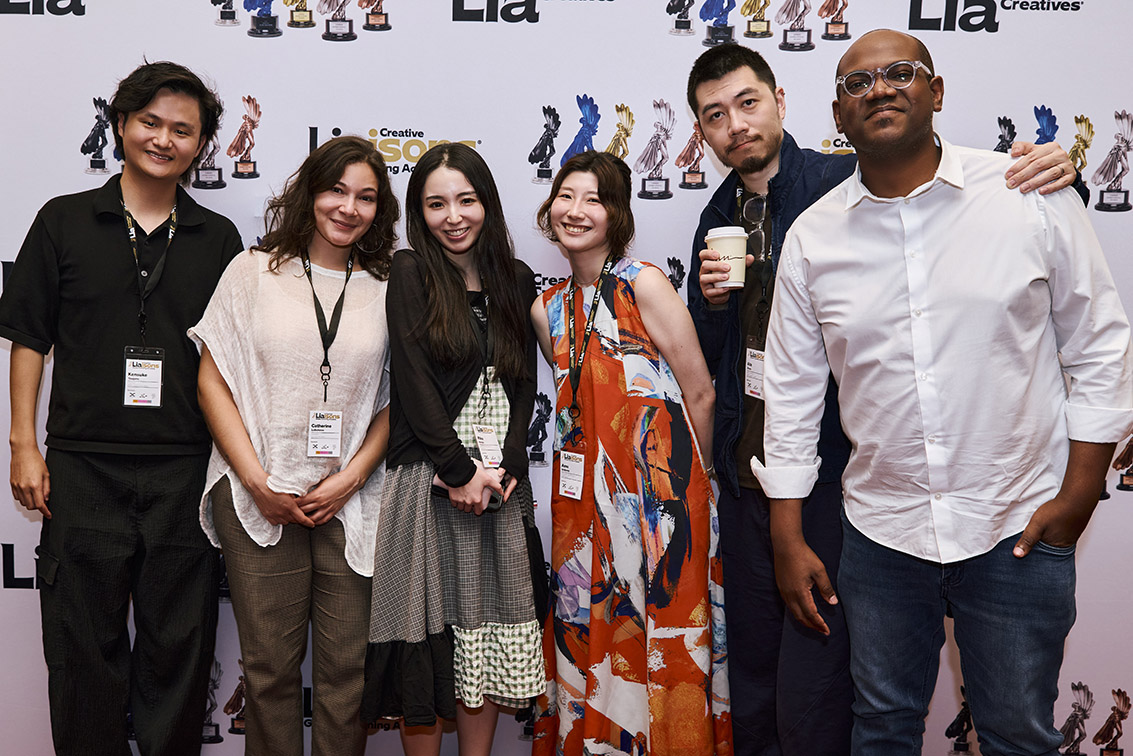
Ata Zhao (pictured second from right), Creative Director at TBWA\Shanghai, was one of the near 130 talented young creatives, selected from around the globe, to attend the LIA Creative LIAisons training program that runs concurrently with the LIA judging week at the Encore Hotel in Las Vegas. Here Zhao wraps up his learnings from the week.
When you share your passion with others, you don’t lose any of it; it multiplies. This is what I learned at Creative LIAisons.
In Las Vegas, young creatives from around the world and some of the biggest names in advertising came together, surrounded by inspiring work. Together, they created five days filled with passion.
Years from now, if I ever wonder why I still work in advertising, these five days will be part of the answer.
What were your expectations coming in to the Creative LIAisons program and did it live up to your expectations?
To be honest, before coming to Las Vegas, I was going through a period of uncertainty.
The reality of working in advertising is that most of our time is spent on small, fragmented, and sometimes less exciting daily work. The big, interesting, award-winning campaigns are rare. I imagine this is true for creatives everywhere.
After this experience, I believe we still need to hold on to our desire to make great work. We need to recognize opportunities, create new ones, and work together to make advertising that helps brands, makes people smile, moves them, and creates a real impact.
What were your individual highlights of the Creative LIAisons program?
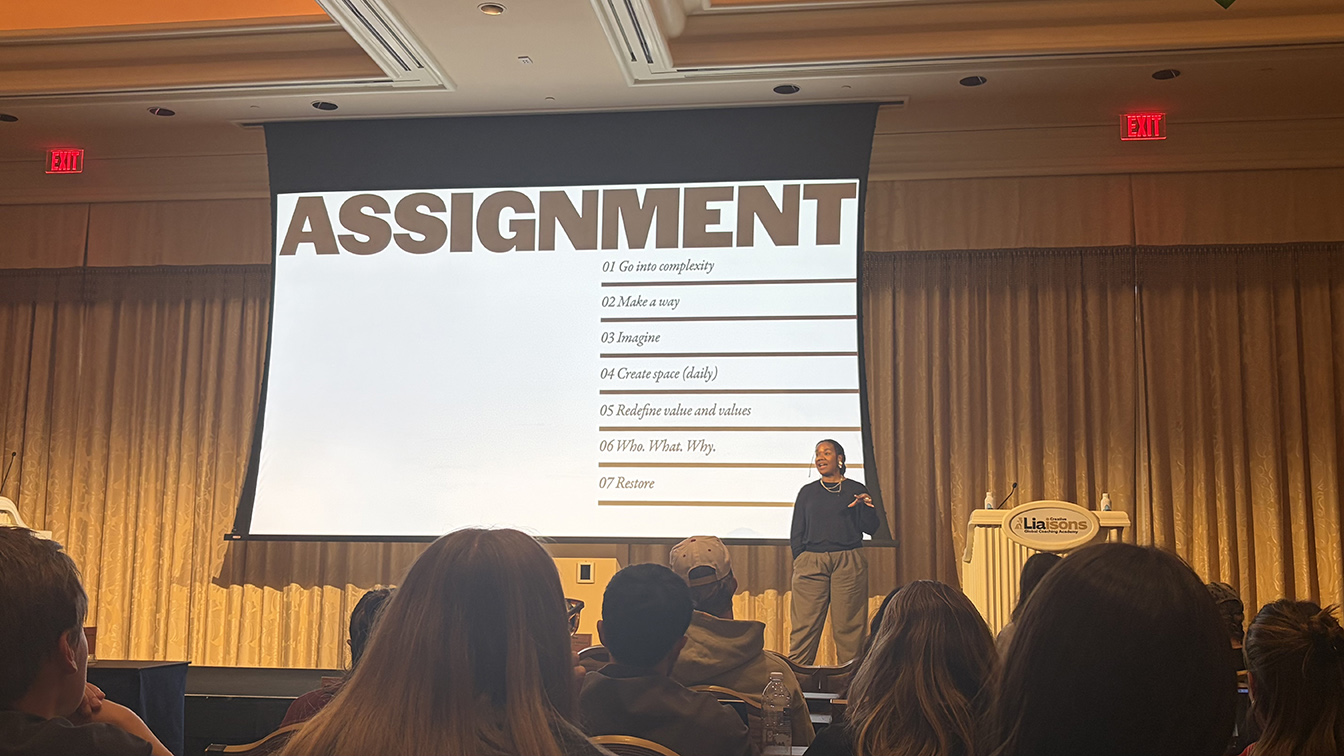
Every session with the jurors was inspiring, and I want to thank all of them. Here are a few ideas that stayed with me.
“Don’t wait for luck. Create opportunities for luck to find you.”
Great work needs the right opportunity. Yet we often spend too much time waiting for one.
We need to create opportunities ourselves. Even when a brief looks small or boring, we can still try to find an interesting idea within it. The briefs that receive the least attention may hold the most unexpected possibilities.
“Several good ideas don’t always add up to the best idea.”
Sometimes we keep adding things to an idea.
Everyone in the meeting room offers an opinion, and every opinion makes sense. But by the end of the discussion, the idea has become complicated and barely looks like the original.
We need to make choices. It can feel brutal, but good work often comes from knowing what to remove.
“Never confuse the topic with the idea. An important topic doesn’t automatically make a good idea.”
I love this point because I see it happen often, including in my own work.
We find a meaningful topic and stop there. There is no strong insight, no thoughtful solution, and no real idea. We treat the topic as if it were enough.
A good topic is only a starting point.
“Do everything outside advertising to get better at advertising.”
One strange thing about advertising is that you cannot always learn to create better ideas by constantly studying campaigns, thinking about ideas, and making decks.
Inspiration often comes from somewhere else. Go play sports. Cook. Travel. Play games. Spend time doing things that have nothing to do with advertising. Different experiences and different people can make your ideas feel more alive, honest, and free.
(As long as we are not working overtime, of course.)
“Street Fighter is my favorite game.”
Thank you to Rey Tiempo for The Power of Play.
Street Fighter really is the greatest game.
What was it like sitting in the back of the LIA Statue jury discussions? What did you learn?
We also had the chance to sit in on the judging session for the Entertainment & Cultural Catalyst category. It may have been the most unique experience of the entire five days.
In the past, our way of judging an idea was fairly straightforward: Does it solve the problem? Is it interesting? Is it well produced?
After listening to the judges, I realized that we need to look at many more dimensions: Does the work create a meaningful change in culture, or does it simply borrow from culture? Does it understand the real problem, or is it inventing a problem that never needed to be solved?
Every idea deserves a deeper look.
I also learned that a truly great idea can transcend language and cultural barriers.
The judges shared another simple test:
“Does this work make you jealous? Do you wish you had made it? If the answer is yes, it is probably great work.”
I hope we can all create work that makes other creatives jealous. Haha.
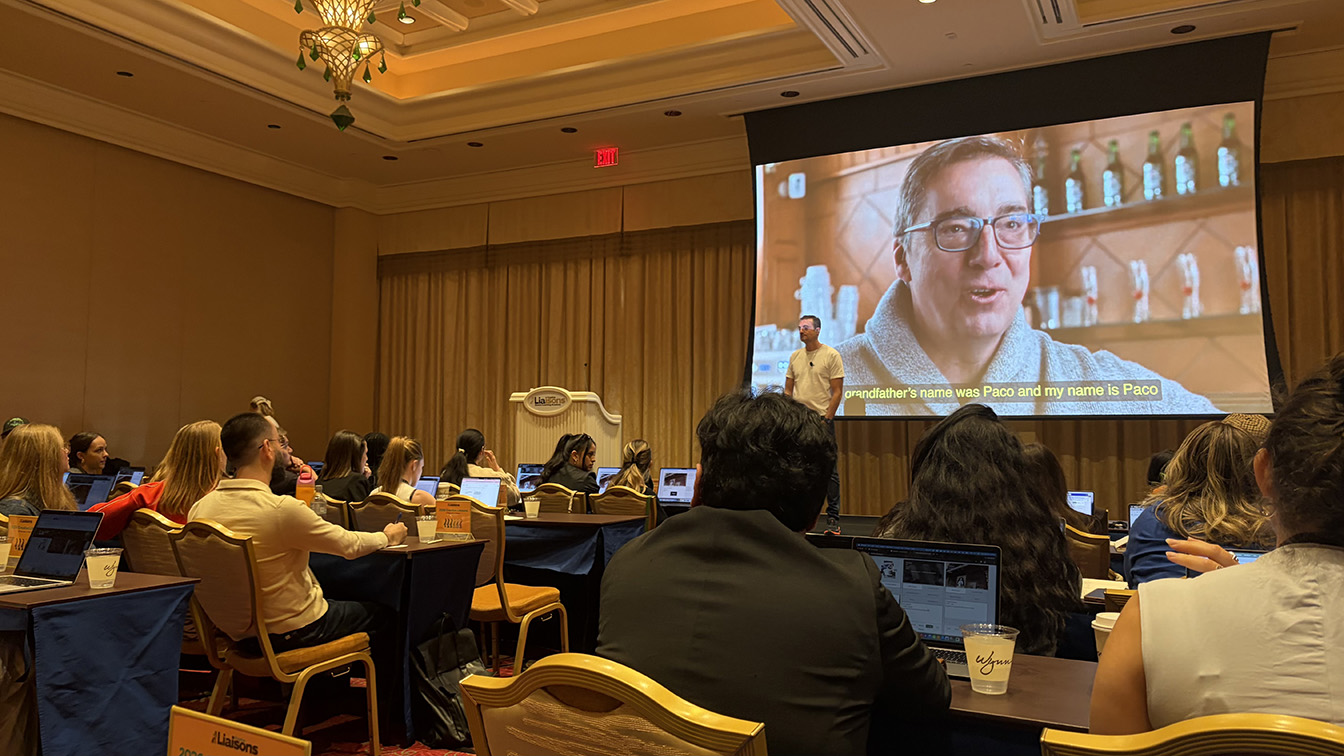
You were surrounded by young creatives from around the world. What did you learn from the people around you, and was there a particular conversation or connection that stayed with you?
At Creative LIAisons, we connected with young creatives from all over the world.
I wish I could have spoken with everyone, but I still made many wonderful friends from Japan, the United States, Brazil, the Dominican Republic, Singapore, the Philippines, South Korea, Canada, Australia and many other places.
We came from different countries, but we shared the same appreciation for great ideas and the same ambition to create them.
(Of course, we also had similar frustrations. Hearing creatives from other countries complain about boring daily social posts made me feel much better. Thank you.)
The world is big, but it can also feel very small.
We will meet again, as better creatives.
Also, there are a surprising number of Pokémon fans in advertising…
What’s your advice to anyone attending next year?
Remember to get coffee and breakfast.
If you stay out too late the night before, fall asleep during a panel, and miss an amazing session, you will regret it.
Other than that, I do not have much advice.
Enjoy the experience. Ask questions. Connect with people.
Oh, and never trust a slot machine.
Check out more 2026 LIAisons reflections below:
Seth Low, Senior Creative at McCANN Singapore.
Malik Bernardo, Associate Creative Director at Dentsu Creative Philippines.
Soham Ghosh, Creative Director at Ogilvy Gurgaon.